

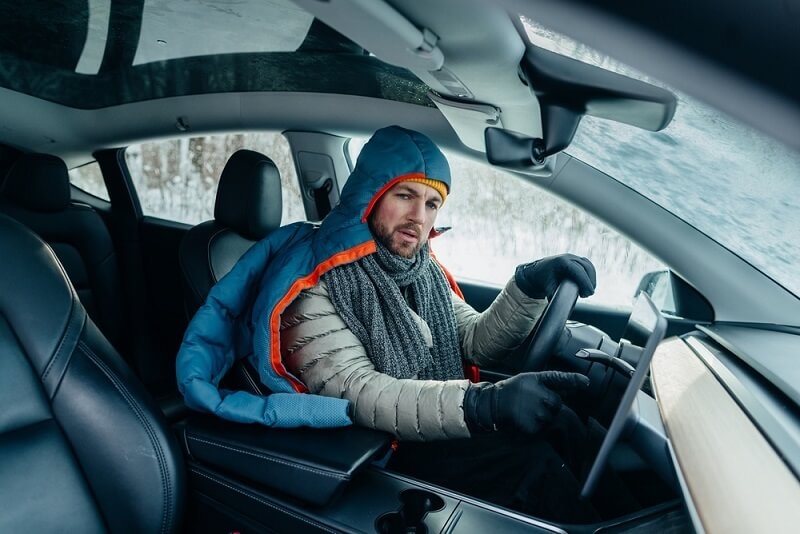
Winter hits and suddenly your dashboard shows fewer miles than usual. That drop is real. EV range in cold weather can shrink faster than most drivers expect. If you own an electric car or are planning to buy one, you need to understand what happens to electric vehicle winter range and how to manage it.
This guide breaks down the science, the numbers, and the practical fixes. No hype. Just what works.
Cold temperatures affect lithium-ion batteries at a chemical level. When the battery gets cold, the movement of ions slows down. Slower ion movement means reduced efficiency. That directly impacts electric vehicle winter range.
According to data from U.S. Department of Energy studies and real-world EV monitoring platforms, drivers can experience noticeable EV range loss cold temperatures once temperatures dip below 40°F. At 20°F, many vehicles see a 20 to 30 percent reduction in range.
There are three main reasons behind EV range loss cold temperatures:
Unlike gas vehicles, EVs do not produce waste heat from an engine. That means cabin heating pulls energy straight from the battery. Every minute of heat reduces electric vehicle winter range.
The exact number depends on your vehicle, battery size, and how you drive. But here is a realistic breakdown:
Short trips make it worse. If you drive five minutes, park, then restart later, the car must reheat the cabin and battery each time. That increases EV range loss cold temperatures even more.
If your EV is rated for 300 miles in ideal weather, you might see closer to 210 to 240 miles in real winter conditions.
That is not a flaw. It is physics.
Top pick: Cold Weather Car Battery Tips for Reliable Winter Starts
Several everyday factors influence electric vehicle winter range:
The heater is one of the biggest drains. Running full heat continuously reduces EV range in cold weather quickly. The colder it is, the harder the system works.
Most modern EVs have thermal management systems. These systems warm the battery to keep it in an optimal operating range. That process consumes energy before you even start driving.
Cold air is denser. Denser air increases aerodynamic drag. Combine that with high speeds and you will see additional EV range loss cold temperatures.
Cold air reduces tire pressure. Underinflated tires increase rolling resistance, which further reduces electric vehicle winter range.
Now the part that matters. Here is how to improve EV range in cold conditions without changing your lifestyle.
This is the most effective step.
Use your vehicle app or schedule feature to warm the cabin and battery while the car is still plugged in. That way, the grid supplies the energy instead of your battery.
Preconditioning alone can significantly reduce EV range loss cold temperatures during the first 15 to 20 minutes of driving.
Seat heaters and heated steering wheels use far less energy than heating the entire cabin.
If you want to maximize EV battery range winter driving, lower the cabin temperature slightly and rely on direct heat features. You will stay comfortable while protecting electric vehicle winter range.
Aggressive acceleration drains range in any weather. In winter, the penalty is larger.
Gradual acceleration and steady cruising help maximize EV battery range winter conditions demand.
Highway driving at 75 mph in freezing temperatures will reduce EV range in cold weather faster than steady driving at 60 to 65 mph.
Temperature drops reduce tire pressure quickly. Low pressure increases rolling resistance and worsens EV range loss cold temperatures.
Check pressure at least once a month during winter.
If possible, leave your EV connected to a charger when parked at home. This allows the battery to maintain a healthier temperature and reduces strain in the morning.
This simple habit helps maximize EV battery range winter mornings when temperatures are lowest.
If you want a structured approach, follow this winter routine:
These steps work together. When applied consistently, they can noticeably improve electric vehicle winter range.
Think of it as winter driving discipline rather than a workaround.
Cold batteries charge more slowly. Fast charging speeds may drop until the battery warms up. Some vehicles automatically preheat the battery when you navigate to a fast charger.
If you plan long winter road trips, allow extra charging time. This prevents stress and keeps expectations realistic.
EV range in cold weather affects both driving range and charging speed. Planning ahead solves most issues.
No.
Most American drivers travel fewer than 40 miles per day. Even with EV range loss cold temperatures, daily commuting remains manageable for the majority of owners.
Electric vehicle winter range only becomes critical during long-distance travel in extreme cold. With proper planning, it remains practical.
EV technology continues improving. Heat pumps, better thermal management systems, and improved battery chemistry are reducing EV range in cold weather year after year.
To summarize the most important EV cold weather efficiency tips:
Apply these consistently and you will significantly reduce EV range loss cold temperatures impact.
Explore More: Import engine problems: Complete Guide, Diagnosis, Repair
EV range in cold weather is predictable and manageable. Electric vehicle winter range drops because of battery chemistry and heating demands, not because the vehicle is failing.
If you understand why EV range loss cold temperatures happens and apply practical EV cold weather efficiency tips, you can maintain confidence all winter.
Winter driving requires small adjustments. With the right habits, you can maximize EV battery range winter after winter and avoid unnecessary range anxiety.
Here are quick answers to common winter EV concerns.
Yes. EV range in cold weather decreases because battery chemistry slows and heating systems use extra energy. The drop varies by temperature and driving habits.
Precondition while plugged in, use eco mode, rely on seat heaters, maintain tire pressure, and avoid aggressive acceleration. These steps help protect electric vehicle winter range.
No. The loss is temporary. Once temperatures rise, EV range returns to normal. Cold weather does not permanently damage a healthy battery.
This content was created by AI